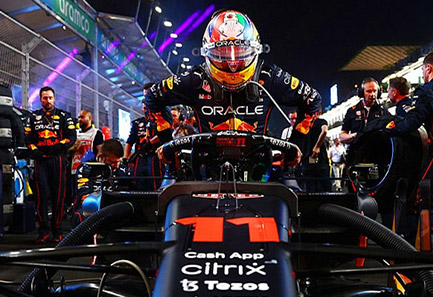
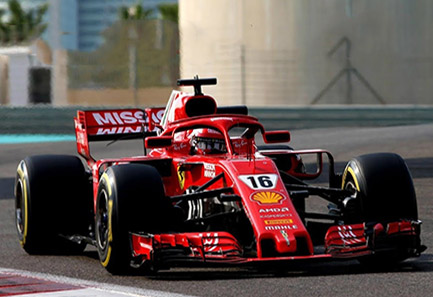
In the fast-paced world of Formula 1 racing, even a tiny fraction of a second can decide who wins and who loses. Most people focus on the car’s speed, its shape, or the tires—but there’s another important part of the puzzle that often gets overlooked: the driver’s racing suit. It’s not just regular clothing. A Formula 1 race suit is specially designed with advanced materials and technology to keep drivers safe and comfortable. When these suits are custom-made for each driver, they fit better, help improve performance, and provide extra protection.
In this article, we’ll take a closer look at custom Formula 1 racing suits—how they’re made, what makes them special, what safety rules they have to follow, and why having a custom-fitted suit is so important for top-level drivers.
The Purpose of a Formula 1 Racing Suits
1. Safety First
Formula 1 racing suits are primarily designed to protect drivers from extreme hazards—particularly fire. Made from advanced fire-resistant materials, the suits can withstand temperatures upwards of 800°C (1,472°F) for several seconds, giving drivers critical time to escape in the event of an accident. Each suit must pass rigorous FIA (Fédération Internationale de l’Automobile) homologation tests before being approved for use.
2. Comfort in the Cockpit
Drivers often race for long periods in hot conditions, feeling strong forces on their bodies while sitting in cramped cockpits. A suit made just for them helps keep their body cool, controls sweating, and makes them feel less tired by fitting perfectly and preventing skin irritation or discomfort.
3. Performance Optimization
An ill-fitting suit can distract a driver, reduce mobility, or even cause overheating. A custom suit, by contrast, is designed with the driver’s specific measurements, posture, and cockpit environment in mind—contributing to overall performance on race day.
The Anatomy of a Formula 1 Racing Suit
Custom race suits might look simple, but there’s a lot going on inside. They’re usually made up of three main layers, and each one has its own important job.
1. Outer Layer (Nomex Fabric)
The outside layer of the suit is made from Nomex, a special material that won’t catch fire, melt, or drip when exposed to high heat. It’s also tough enough to resist scrapes and gives the suit a smooth, streamlined look that helps with speed.
2. Middle Layer (Thermal Barrier)
This layer acts like a shield, helping to block out extreme heat. It keeps the heat from reaching the driver’s body too quickly, giving them a few extra seconds to escape if there’s a fire.
3. Inner Layer (Comfort Layer)
The innermost layer is made from materials that allow air to flow and pull moisture away from the skin, keeping the driver comfortable. Some versions also fight bacteria and static, helping to prevent sweat buildup and skin irritation.
The Art of Custom Fitting: How Every Detail Matters
1. 3D Body Scanning and Measurement
Making a custom Formula 1 suit starts with taking exact measurements. Nowadays, many manufacturers use 3D scanning to capture the driver’s body shape, posture, and position. This helps create a perfect fit, which is crucial when every millisecond matters.
2. Material Selection
Even though all materials must meet FIA standards, custom suits let drivers pick things like fabric feel, inner linings, and areas with extra stretch. Some suits even have special vents or cooling pockets to help with airflow.
3. Personalization and Branding
Each driver’s suit is a canvas for identity and sponsorship. Logos, name tags, country flags, and color schemes are meticulously applied—often with heat-transfer or embroidered techniques that don’t compromise safety.
Innovations in Suit Technology
1. Lightweight Materials
In Formula 1, every gram counts. Thanks to improvements in fabric technology, racing suits are now lighter than ever while still offering full protection. The best suits can weigh as little as 1.2 kg (2.6 lbs).
2. Cooling Systems
In very hot conditions, a driver’s body temperature can rise quickly. Some custom suits include cooling systems that help spread out the heat better. Other suits are made to work with cooling vests or garments that drivers wear before the race to stay cool.
3. Smart Suits and Biometric Monitoring
As Formula 1 embraces data, some custom suits now include biometric sensors that track heart rate, respiration, and hydration levels. Teams can use this data to fine-tune strategy and improve driver health and performance.
FIA Regulations: The Benchmark of Safety
1. Homologation Standards Safety Standards
The FIA’s safety rules are strict and cannot be changed. For a suit to be certified, it must pass several tests, including:
Heat resistance tests
Checks for strong seams
Fire resistance tests
Suit strength tests after being exposed to high heat
Only suits from approved manufacturers and designs are allowed in official Formula 1 races.
2. Mandatory Gear Components
A complete fire-resistant ensemble includes:
Custom-made racing suit
Balaclava
Gloves
Socks
Underwear
Shoes
Each item must meet FIA standards and is often designed to integrate seamlessly with the suit.
The Role of the Driver in Custom Suit Design
1. Feedback and Iteration
Custom suits are not made in just one go. Drivers give feedback on how the suit fits, how easy it is to move in, and how well it breathes. This process happens over several rounds of adjustments until the suit provides the right mix of safety and performance.
2. Psychological Edge
When a driver feels good and comfortable in their gear, it can improve their mood and concentration. A suit that shows their personality, national pride, or unique style can also give them a mental boost.
Beyond Formula 1: Suit Customization in Other Motorsports
While Formula 1 sets the gold standard, custom racing suits are now commonplace in other disciplines:
Endurance Racing (WEC, Le Mans): Comfort and cooling over long stints are crucial.
Rallying (WRC): Suits must endure mud, heat, and long durations.
Karting and GT racing: Similar standards, often scaled to different budget levels.
Challenges in Custom Formula 1 Suit Design
1. Balancing Weight and Protection
Designers constantly push to reduce weight while maintaining full fire resistance. The thinner the layers, the more advanced the materials need to be—raising costs.
2. Ensuring Uniform Compliance
As technology changes quickly, it’s a constant challenge to make sure every custom feature follows FIA rules. Even something as small as a misplaced seam can cause the suit to fail safety checks
3. High Cost of Customization
A completely custom Formula 1 suit can cost between $3,000 and $10,000, depending on the features and technology included. For teams and drivers, however, it’s an essential investment.
Future Trends in Racing Suit Design
1. AI-Enhanced Fit Modeling
AI is expected to help predict how materials will perform during races, leading to even better and more detailed designs.
2. Eco-Friendly Materials
Sustainability is slowly making its way into motorsports. In the future, racing suits might use biodegradable or recycled materials while still keeping drivers safe.
3. Using Augmented Reality (AR) in Racing Suits
AR could help tailors and designers see how suit changes and brand logos will look right away, making the design process faster and easier.
Conclusion: The Perfect Gear for the Fastest Drivers
A custom-made Formula 1 racing suit is much more than just fireproof clothing—it’s a carefully designed piece of equipment that can impact race results. With features like heat protection, biometric sensors, comfort, and personal style, each suit is made to fit perfectly, acting as a second skin for the world’s top drivers.
As technology evolves, the boundary between gear and performance continues to blur. One thing is certain: in Formula 1, even what a driver wears is designed to go faster.