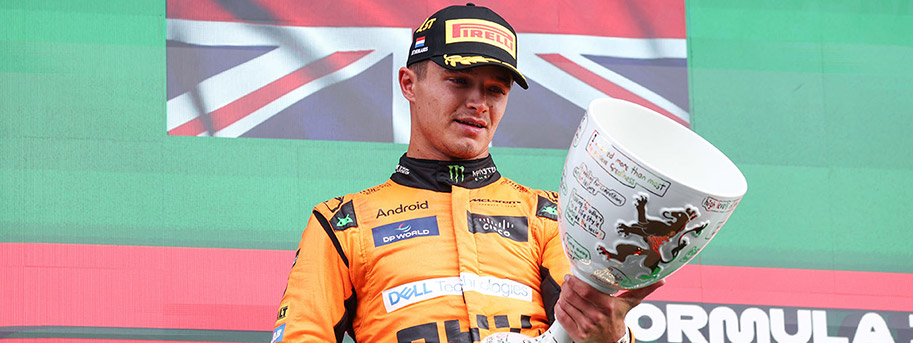
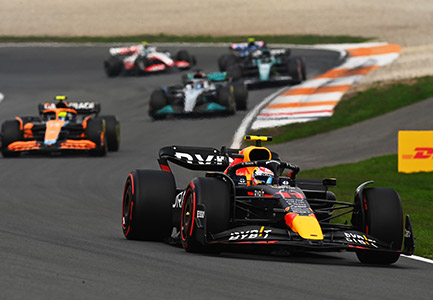
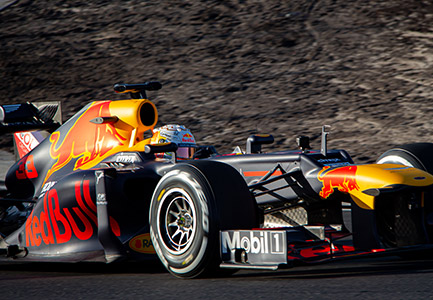
From August 29 to 31, 2025, thousands of racing fans filled the stands at Circuit Zandvoort, located along the scenic North Sea coast of the Netherlands, to experience the thrilling excitement of the Formula 1 Heineken Dutch Grand Prix.While most people focused on the powerful cars, skilled drivers, and race strategies, one important piece of safety gear worked quietly behind the scenes—the Formula 1 race suit.
Though it may look like just a stylish uniform, the F1 race suit is the result of many years of careful design and technology. It’s built to do more than look good. These suits are specially made to protect drivers from fire, heat, crashes, and the physical stress of racing at high speeds. In this article, we’ll take a closer look at how the F1 race suit helps keep drivers safe at one of the toughest and most demanding tracks on the Formula 1 calendar.
1.Zandvoort: A Demanding Circuit in Late Summer
Location and Layout
Circuit Zandvoort, found in North Holland, is famous for its smooth, fast turns, sharp elevation changes, and steeply banked corners. The track is 4.259 kilometers long and includes 14 challenging turns. Some of the most famous turns are Tarzanbocht, Hugenholtzbocht, and the steeply banked Arie Luyendykbocht.These curves push drivers to their limits by putting strong side-to-side forces on their bodies as they race through them at high speeds.
Late August Weather Challenges
The Dutch Grand Prix is held in late August and usually enjoys warm and sunny weather. Air temperatures often stay between 20 to 25°C (68 to 77°F), but the track surface can get much hotter—sometimes rising above 45°C (113°F), especially during midday qualifying or races. On top of that, humid winds from the nearby North Sea can make the conditions even tougher. These hot and sticky conditions increase the risk of heat exhaustion and fires, which is why the driver’s race suit is so important for keeping them safe.
2.Heat and Flame Resistance: The Core of Formula 1 Race Suit Design
Why Nomex is a Lifesaver
A Formula 1 race suit is made from a special fireproof material called Nomex. Unlike regular fabrics that can melt or burn easily, Nomex reacts to heat by becoming thicker and tougher. This forms a shield that keeps the fire away from the driver’s skin. According to the FIA’s safety rules (8856-2018), every F1 suit must be able to protect the driver from flames as hot as 800°C (1,472°F) for at least 10 seconds. That gives the driver enough time to safely get out of the car in case of a fire.
Lightweight Yet Protective Layering
Modern suits are constructed using three to four layers of Nomex-based fabric, each optimized for a specific function: flame resistance, moisture control, and structural integrity. Compared to suits from a decade ago, today’s models are 30–40% lighter, weighing as little as 1.6 kg. This reduction in bulk doesn’t compromise protection—it enhances performance by minimizing fatigue and improving freedom of movement.
Stitching, Seams, and Engineering Details
Every little part of an F1 race suit is made with safety in mind. The seams are stitched three times using special fireproof threads, often made from Kevlar. The suits are built with hidden or tightly sealed seams to stop heat from getting through weak spots. Some suits also have fireproof zippers and extra-strong collars and cuffs to keep flames from reaching the driver’s skin.
3.Thermal Regulation and Comfort
Internal Liner Systems
During the hot Dutch summer, drivers work really hard and sweat a lot. But the inside of the race suit has special fabric that pulls sweat away from the skin. This helps keep the driver cooler and more comfortable by letting the sweat dry faster.
Phase-Change Technology
Modern race suits also include special materials called phase-change materials (PCMs) inside the middle layers. These materials soak up extra heat when the driver gets too warm and then slowly release it later. This helps keep the driver’s body temperature steady. This feature is very helpful at places like Zandvoort, where drivers face lots of heat from the sun and their cars during many laps.
Micro-Cooling Systems
Some teams take it even further by adding tiny tubes inside the driver’s suit that carry cool liquid. These tubes are hooked up to a cooling system inside the car and help keep the driver’s body temperature down during slower parts of the race such as during the formation lap or when the safety car is on track. This cooling helps drivers stay focused and comfortable, even when it’s very hot inside the cockpit.
4. Impact and Abrasion Resistance
Reinforced Protection Zones
At fast corners like Turn 7 (Scheivlak), crashes can cause cars to slide across gravel or hit barriers. To protect drivers from scrapes and burns, race suits have extra padding on areas like the knees, elbows, hips, and shoulders. These padded parts help reduce injuries from rubbing against rough surfaces such as asphalt, metal fences, or broken pieces on the track.
Integration with Safety Devices
The race suit also needs to work well with other safety equipment, like the HANS device that supports the driver’s head and neck and is connected to the helmet. The spots where the HANS device attaches to the suit are made stronger so the fabric doesn’t rip during sudden crashes or quick stops.
Flexibility Without Compromise
Because drivers need to move a lot—like turning the wheel, changing gears, and adjusting the brakes—modern race suits have stretchy panels made from special elastic materials. These stretchy parts are placed in areas like the back, under the arms, and around the knees. They help drivers move more easily without feeling tight, while still keeping them protected.
5.Embedded Technology: Suits That Think
Live Biometric Tracking
Modern F1 race suits have built-in sensors that monitor the driver’s body temperature, heartbeat, and hydration during the race. This information is sent straight to the team’s engineers and medical staff so they can keep an eye on how the driver is doing. During hot races like the Dutch Grand Prix, these sensors help spot signs of tiredness or dehydration early, keeping drivers safe.
Data-Driven Adjustments
Because of the information from these sensors, teams can change the driver’s suit to match the weather and track conditions. For example, if it’s very hot during qualifying, the driver might wear a suit with less insulation to stay cooler. But if rain is expected during the race, they might choose a suit that keeps the driver warmer and helps manage moisture better.
6.Real-Life Scenarios Where Race Suits Made a Difference
Fire in the Pit Lane
Pit stops can be dangerous, especially when fuel is being handled. If even a small amount of fuel spills near hot parts like brakes or the turbo, it can catch fire. In 2024, this happened during a support race at the Dutch GP. Luckily, the mechanic’s fireproof suit slowed down the flames long enough for the fire to be put out, stopping anyone from getting hurt. This shows why strict safety rules are so important.
Gravel Trap Incidents
If a car spins out at the steep banked Turn 3, it can slide into the gravel. Without a suit that protects against rubbing and scraping, even small slides could cause burns or cuts. After the race, teams often find scratches on the outside of the suits, showing how the suit acts like a strong shield to protect the driver.
7.Ergonomic Fit & Psychological Confidence
Tailored Fit with 3D Scanning
Drivers get 3D body scans to make sure their suits fit perfectly and closely to their bodies. A well-fitted suit stops it from bunching up or causing distractions. It also helps the driver move smoothly with the seat, steering wheel, and safety belts—something that’s really important when going through tight, fast corners like Hugenholtzbocht
Confidence Under Pressure
Drivers feel more confident knowing their Formula 1 race suit can protect them in dangerous situations. This peace of mind helps them focus fully on driving without worrying, even when the race gets really tough.
8.Regulatory Testing and Continuous Innovation
FIA Certification
Before a race suit can be used, it has to go through tough tests set by the FIA. These tests check how well the suit resists fire, how strong the seams are, and how much the fabric shrinks. New suits are randomly checked to make sure they meet these standards before races like the Dutch Grand Prix.
Innovation Year After Year
After every Grand Prix weekend, information like weather conditions, accidents, and sensor data is collected. These improvements are shared with different teams and also help improve safety gear used by firefighters, pilots, and other sports.
9.Looking Ahead: The Future of F1 Race Suits
Nano-Fiber Technologies
Future race suits might be made with tiny fibers using nanotechnology that can fight fire better and keep drivers cooler. These new suits could be used regularly starting in the 2026 season.
Intelligent Ventilation Systems
Smart suits could include adaptive vents that open or close based on body temperature and humidity, creating a fully responsive safety garment.
Sustainability in Materials
The sport is also investing in eco-friendly suit materials, such as bio-sourced Nomex and recycled fire-resistant fabrics, to align with Formula 1’s push toward net-zero carbon emissions by 2030
Final Thoughts: The Silent Guardian on the Grid
While the loud engines, tire choices, and team strategies get most of the attention at events like the Heineken Dutch Grand Prix 2025, the importance of the F1 race suit shouldn’t be forgotten. These high-tech suits quietly protect drivers every lap, helping them stay safe in crashes, handle the weather, and stay focused.
Whether it’s guarding a driver from flames in a fast crash or helping them stay cool during a long, hard race, the Formula 1 race suit is one of the most important and high-tech safety tools in the sport today